

18th November 2025
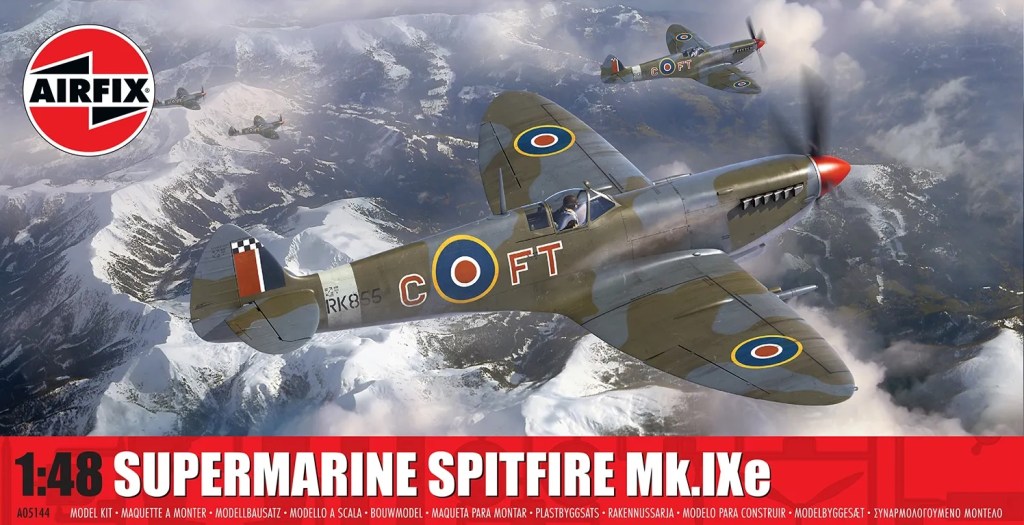
Having spent yesterday playing with a collection of SMS paints, today was back to work with the final assembly and painting of my Airfix Spitfire MK.IX. It was also a chance to try out another brand of lacquer paints, this time MRP.
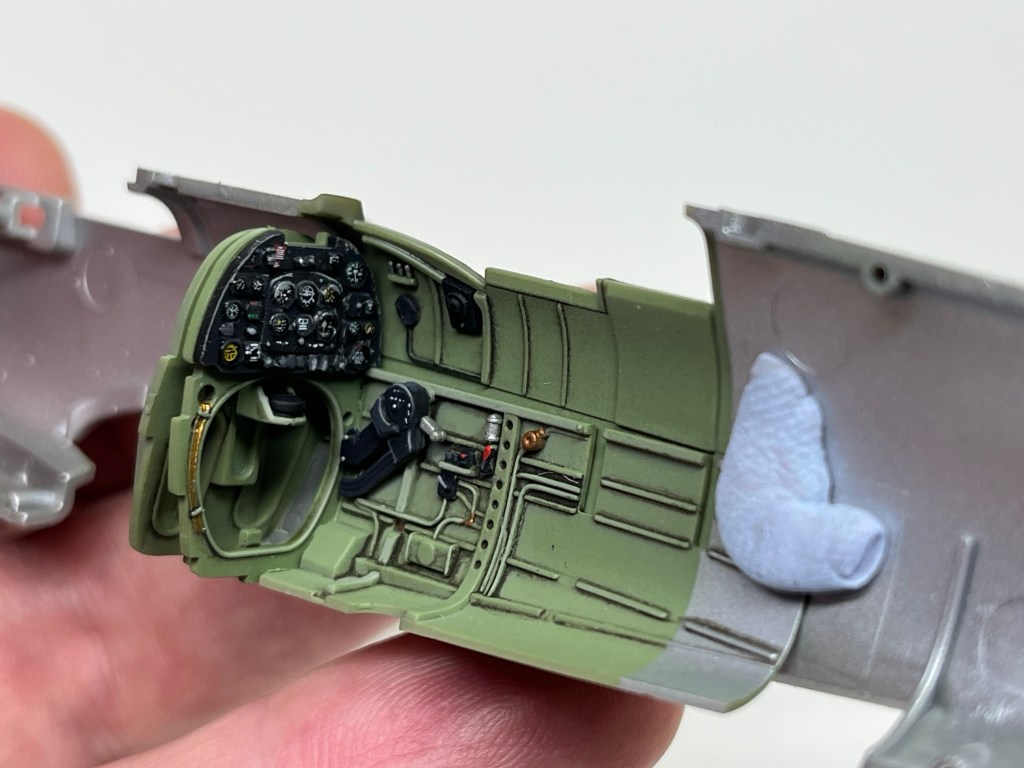
Having already sprayed some of this paint over the smaller parts in the kit, I was keen to see how it would work over the outer surfaces, in particular, the camouflage. Normally, I paint camouflage using Blue Tack sausage masks, but this time I decided to create a softer look so went ahead and sprayed the camouflage freehand, both to create a different appearance and see how the MRP paint would work for me should I wish to go down this path again.
Much like yesterday the paint worked really well. It is though, thinner than SMS, needing more care when it comes to building up layers of colour. The edges though, created once again using my Procon Boy airbrush with its .2mm nozzle and head, were reassuringly tight and I think, in scale.
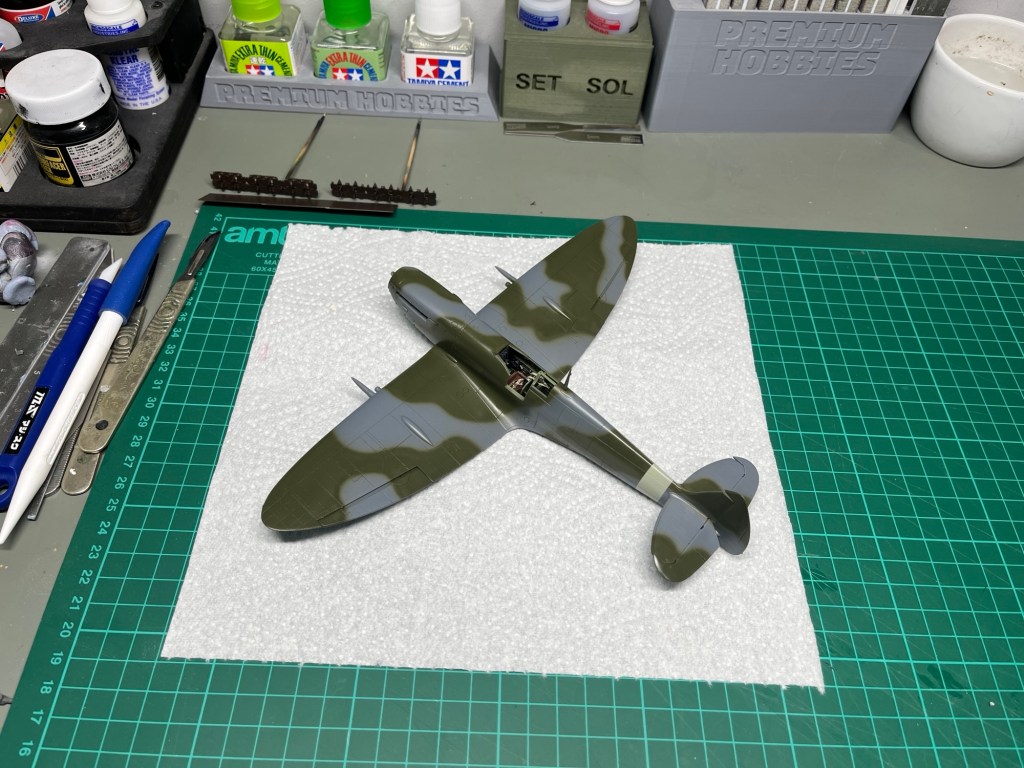
As it stands, the model is now painted, though I’m sure it will need further work in the morning. That’s normal of course, so I’ll happily leave it alone overnight to dry and then look at it with fresh eyes when I return back to the bench. If it does need additional layers of paint, they will be easy to apply, before glossing it all ready for decals.
It’s been a very long time since I’ve freehanded camouflage on an aircraft model so it was pleasing to have another go. The fact that the paint made it such a pleasure only added to the enjoyment and the reassurance that if I need to do this again, I will be able to use the same tools and techniques to achieve similar results no matter what subject I choose to use them on. I’d consider that another small victory on my way to learning more about these paints and their use in my studio.
See you tomorrow.
 SPENCER POLLARD'S KIT BOX
Congratulations on doing the camo right, Spencer. I once had the opportunity to closely examine one of the restored Duxford Spitfires (universally known as having been “done right”) – from a distance of 12 (actual) inches; it is clear the camouflage is done with very tightly-sprayed dark green over ocean grey, which from a normal viewing distance of six (actual) feet, looks “hard-edged.” In fact, the camo pattern was chalked on, there never were any “rubber masks”, which is demonstrated by the fact that no two camo patterns on an RAF Spitfire or Hurricane are actually the same.
LikeLike