
Is the universe trying to tell me something? Do you think that it’s gently hinting that really I should park my primary build and finally, break my Buccaneer hoodoo..?
7th July 2025
A busy day that has seen me complete construction of the Spitfire TR.9, sand the woodwork in the hall ready for painting later this week and then discover much to my annoyance, that a paint I mixed because I thought I had none, proved a waste of time after the exact colour I needed, I found in a box I forgot I had. Yeah, smart move, right?
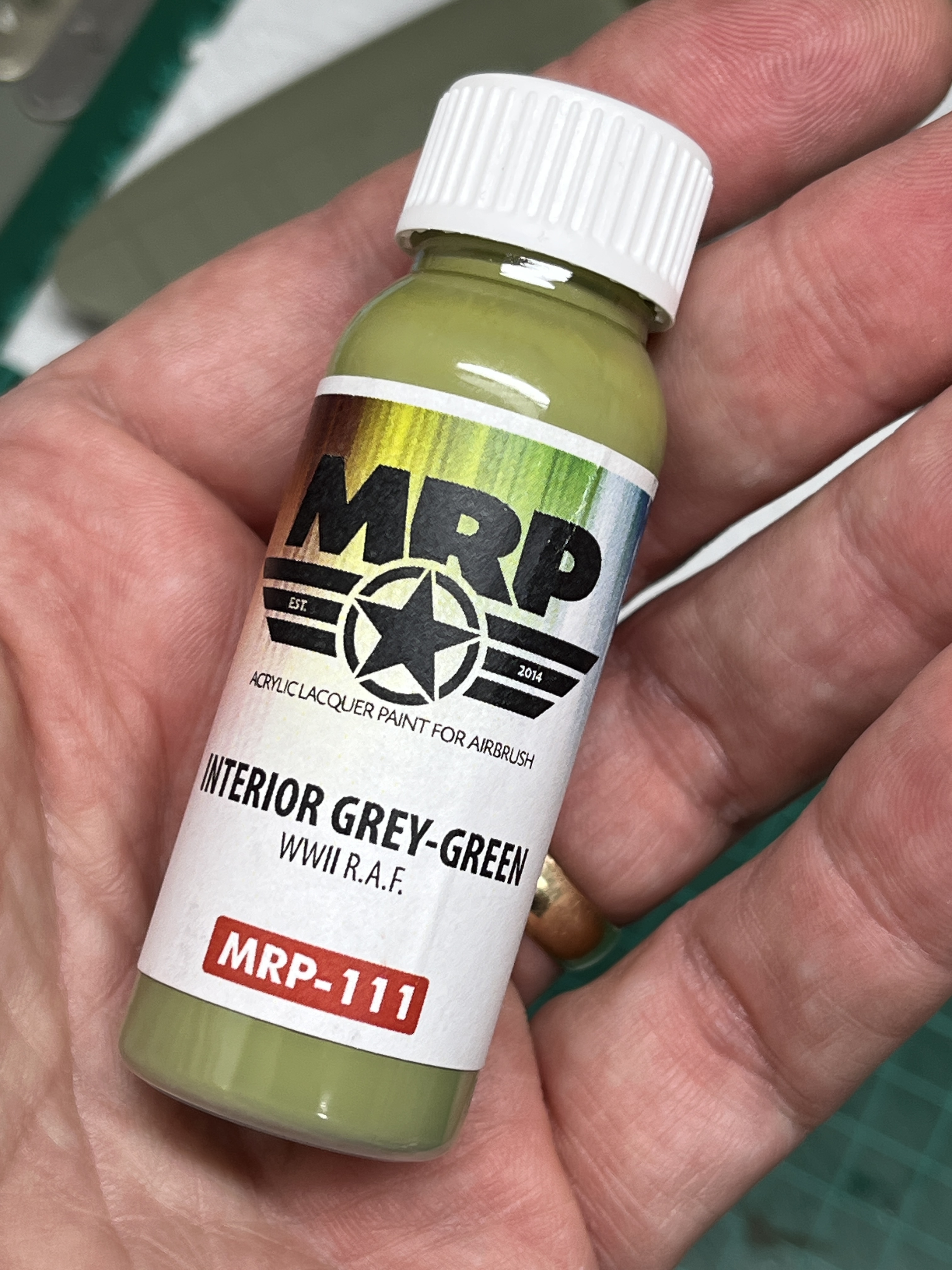
The forgotten paint to be honest was annoying, despite having mixed a colour that I was happy with. I’d been sent some MRP paint but had yet to use it, so this would have been a perfect opportunity to give it a go, had I, you know, remembered I had it! As it is, I can’t use it on this model because much of it is already painted with my custom colour, so I would have to mask all of the cockpit openings again in order to spray it on. As you might imagine I’m not that keen to do that, so this paint will have to wait for its chance in the spotlight. Given that I have a full set of RAF colours that would suit a Spitfire MK.IX and one is on the way from Airfix, maybe I should just hold off until that kit arrives on my desk? Honestly, If my head wasn’t screwed on…
In other news, I’ve also cleaned up the seams on the F-35C (such as they are…) so that’s ready for a bath in an overall coat of lovely, dark grey. As with the Spitfire, much of it is already painted, so shouldn’t take too long to spray, at least in its initial colour, if not the patches of lighter greys that if not adding that much interest, do at least help to break the thing up. I know I seem to be repeating myself, but I really do find the F-35 a dull machine to paint. I like the shape of it and enjoy the quality of the Tamiya kits, but boy, is it a trial to enjoy. Once you’ve done one, you’ve done ’em all I guess, so I’m hoping that I can find something in this build to get the juices flowing. Maybe the weathering that the Charlie models seem to be suffering, will be the spark I need..?
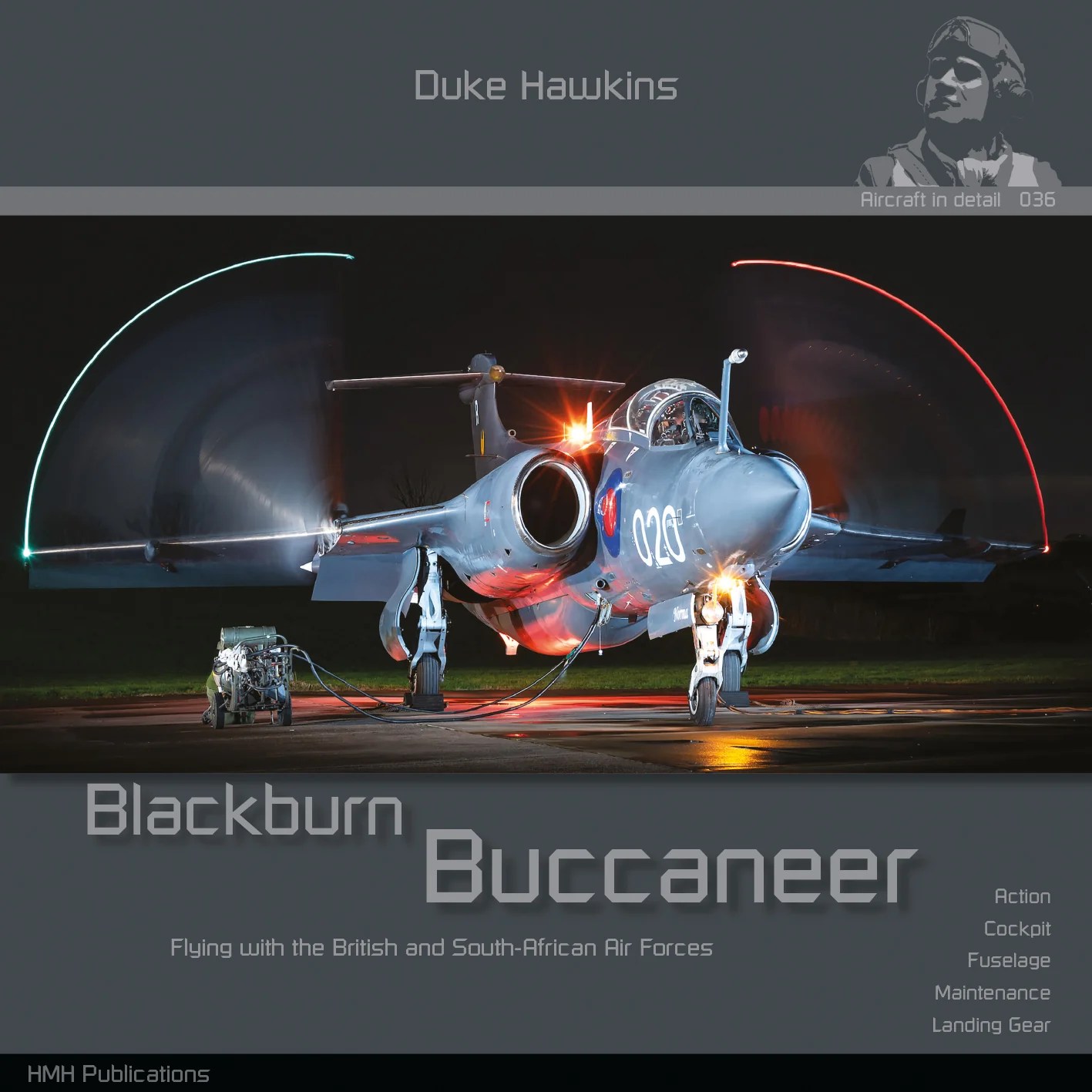
Speaking of sparks, I’m in the process of planning two new models that I will reveal later this year. The first I was very keen to do, so grabbed the kit, order a raft of aftermarket and then over the weekend a reference book. Whilst doing that, I also ordered a book for the Buccaneer that I revealed some time ago, a model I am planning to build over the autumn. Here’s the thing, the first model is my primary build, but the Buccaneer seems to be grabbing my attention more than I expected. Imagine then how I felt this morning when I found out that the first book is delayed, but the one on the Buccaneer is on its way. Is the universe trying to tell me something? Do you think that it’s gently hinting that really I should park my primary build and finally, break my Buccaneer hoodoo..? I just know that when that book arrives in the morning I’m going to be all over it…
AIRFIX ANNOUNCE TWO ADDITIONS TO THEIR RANGE THIS WEEK, ONE BRAND-NEW AND THE OTHER, A REAL CLASSIC!
A1381 ALVIS FV622 STALWART MK.2
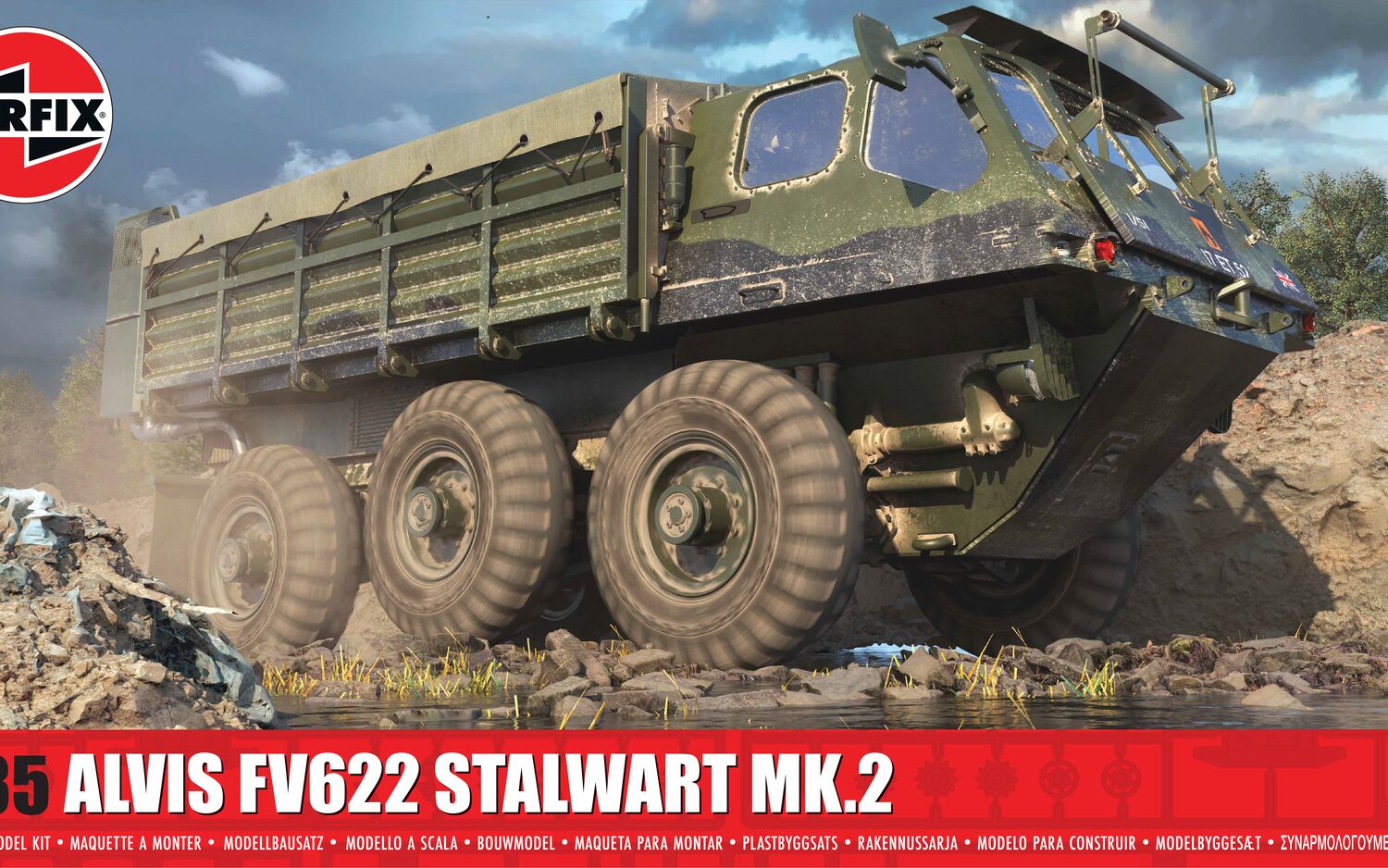
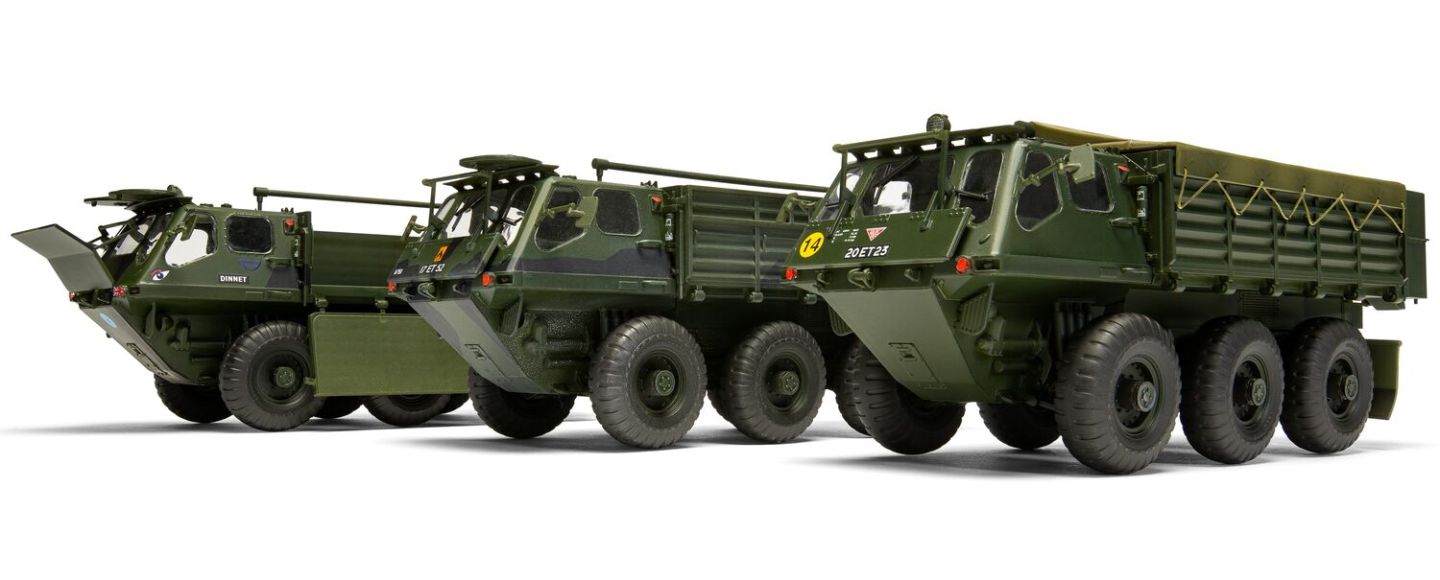
One of the most distinctive military vehicles to see British military service, the Alvis Stalwart was a capable amphibious 6×6 cargo truck, introduced to keep Army units supplied with fuel, ammunition and general supplies during conflict.
Initially developed as a private venture, the Stalwart can trace its lineage back through a series of successful 6×6 vehicles, most of which saw British military service, such as the Saladin armoured car and Saracen armoured personnel carrier. The Stalwart shared many components with its predecessors but was charged with performing a very different role. Entering service from 1966 onwards, the Stalwart lived up to its name, with its impressive off-road performance giving it a go-anywhere, fear-nothing reputation. Featuring an intricate drive and suspension system, the Stalwart afforded its crew a comfortable ride when operating over uneven terrain.
However, even though the vehicle could reach speeds approaching 40mph on open roads, handling the Stalwart could be challenging, with each bank of wheels constantly trying to outpace those on the opposite side. A true amphibian, the Stalwart boasted watertight seals to protect all vital components, enabling it to deliver its cargo across bodies of water not served by bridges or temporary crossings, climbing out of the water on the other side if the ground was shallow or compact enough to support its weight. In the water, the Stalwart Mk.2 featured improved waterjet power and could reach speeds of 16km/h in optimum conditions.
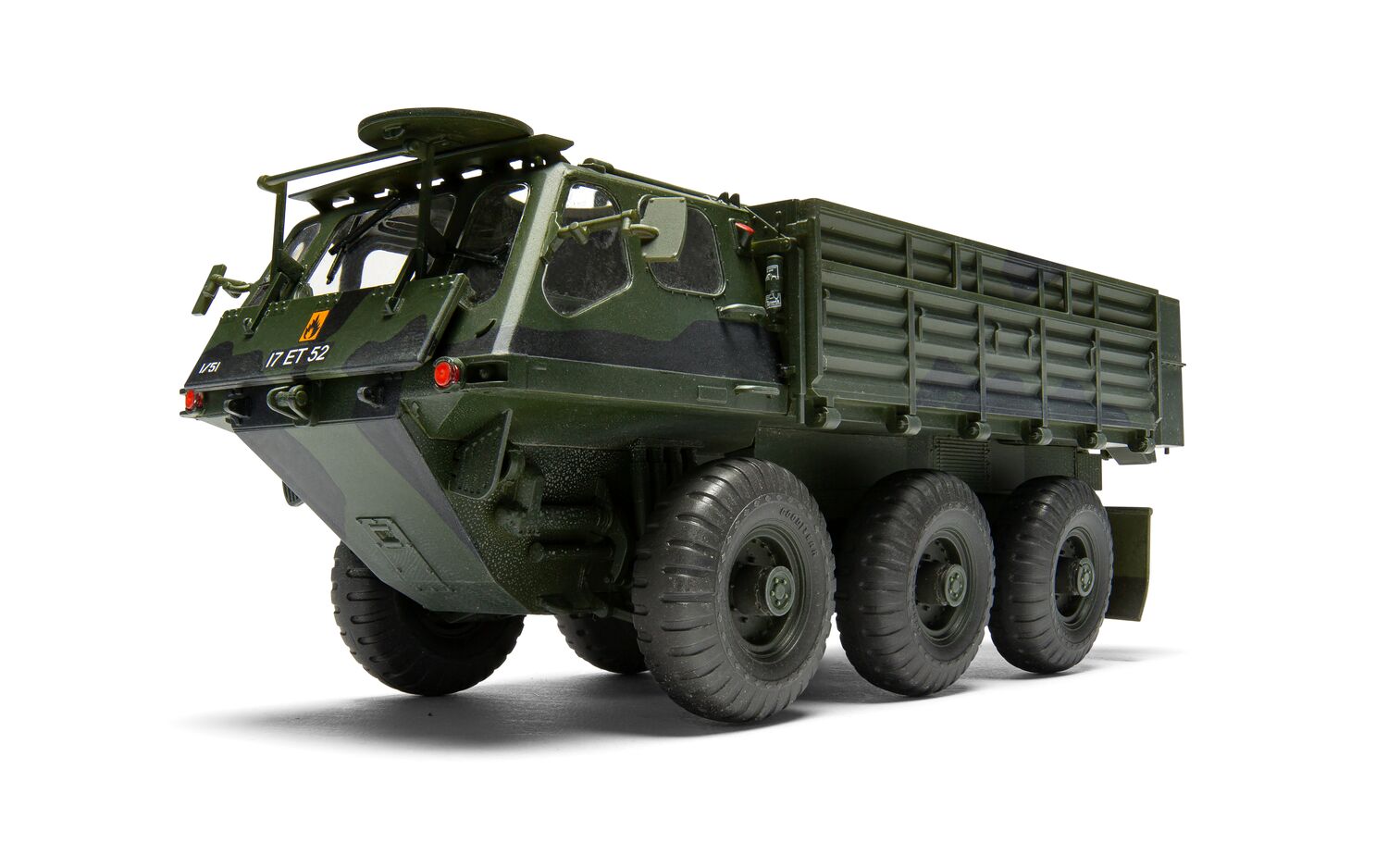
A 6-wheeled machine ready and rolling in, welcoming the first injection moulded plastic Stalwart to the Airfix range! A first in the history of Airfix, the new mould A1381 Alvis FV622 Stalwart Mk.2 in 1:35 scale is ready for its ultimate debut. This 6-wheeled heavy-duty vehicle is packed full of detail, featuring a complex suspension system faithfully reproduced, detailed cab interior, cab roof hatches and water deflector board can be built open or closed, and optional parts for radio and exhaust pipe. Alongside these features, the kit consists of 211 parts, ranking at a skill level 3, including three schemes to choose from. Once built, the kit measures 184mm in length and 90mm in width.
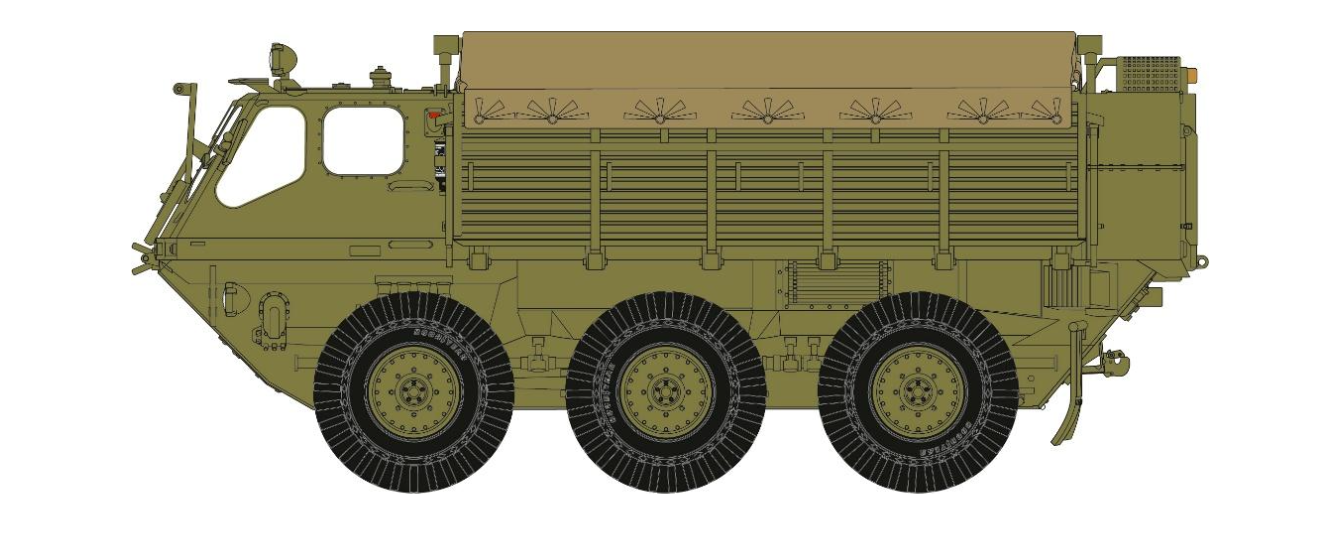
Scheme A: Alvis FV622 Stalwart Mk.2, British Army of the Rhine, Exercise Spearpoint Crusader, West Germany, 1980.
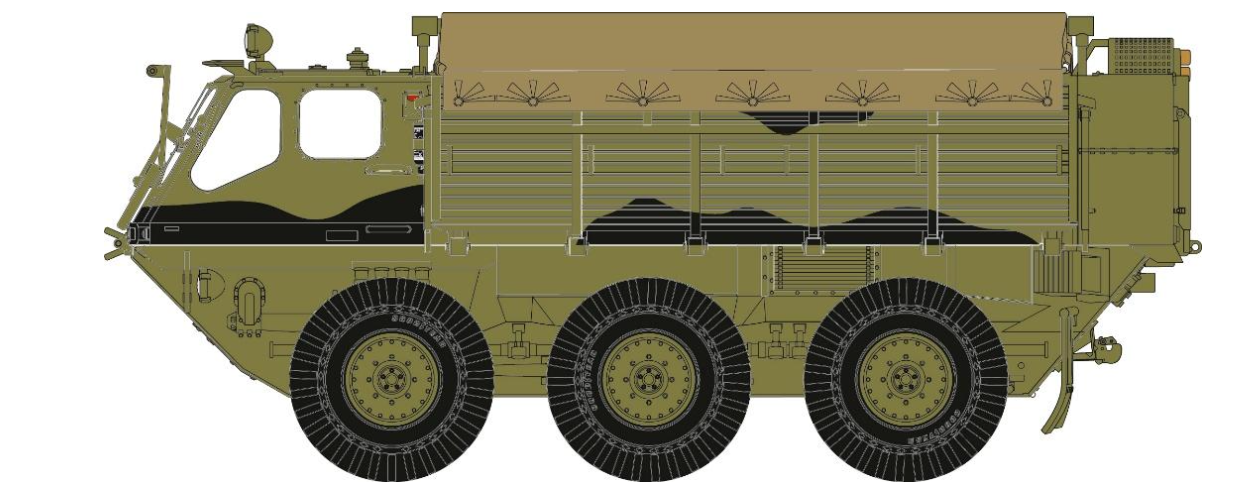
Scheme B: Alvis FV622 Stalwart Mk.2, D Squadron, 4th Royal Tank Regiment, British Army of the Rhine, West Germany, 1981.
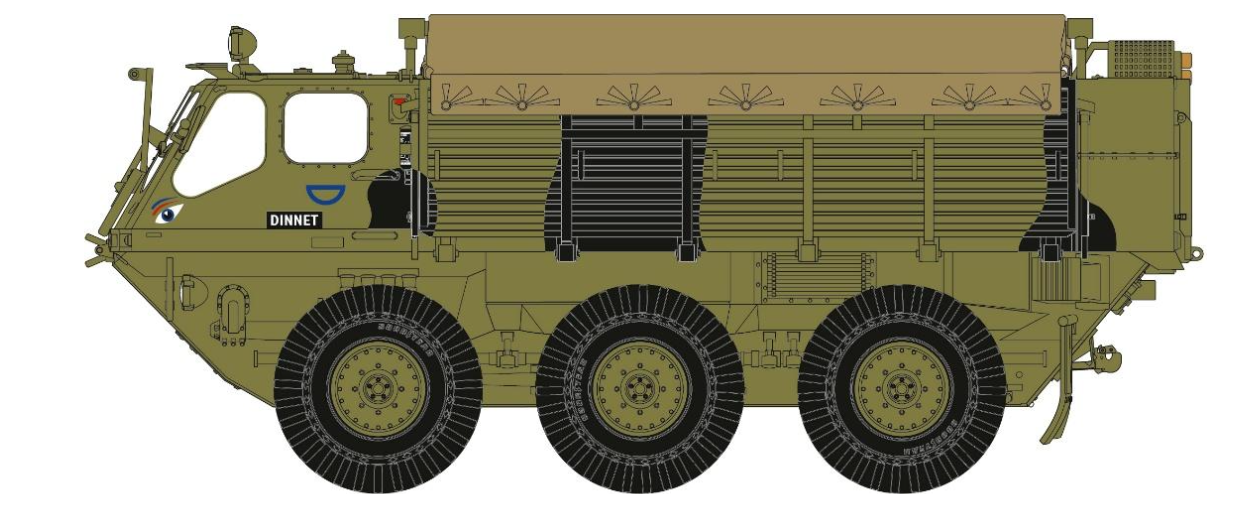
Scheme C: Alvis FV622 Stalwart Mk.2, Royal Army Ordnance Corps, Ludgershall Vehicle Depot, England, 1969.
A01062V SOPWITH PUP
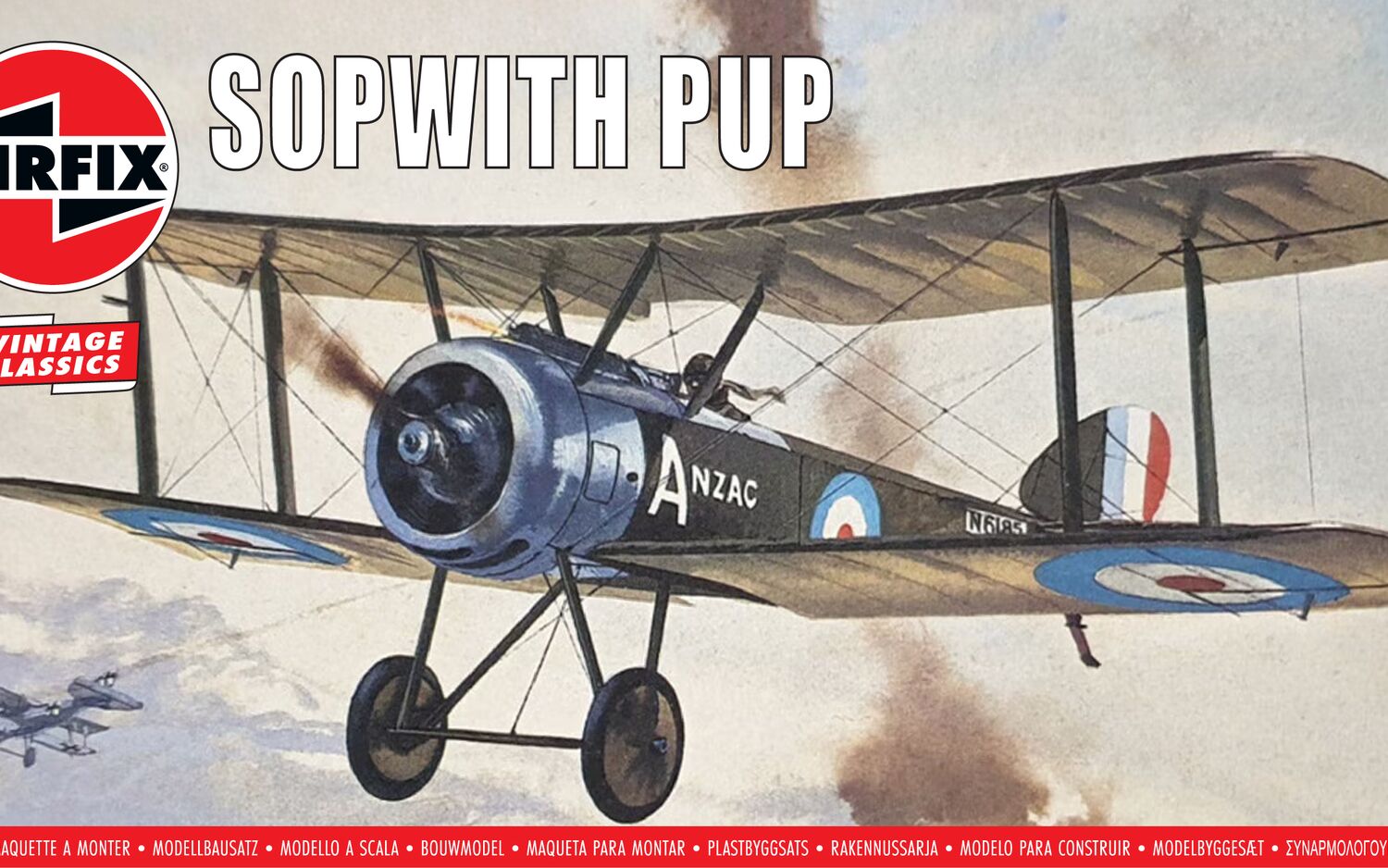
One of the classic British fighting aeroplanes of the Great War, the Pup was originally called the Sopwith Scout. However, as it was significantly smaller than its predecessor, the Sopwith 1½ Strutter, pilots almost immediately referred to it as the ‘Pup’. Entering combat service towards the end of 1916, the Pup was an excellent dogfighter, possessing incredible manoeuvrability and allowing the Allies to wrestle a period of hard-fought supremacy over the Luftstreitkräfte. Despite the single Vickers .303in machine gun being too light for modern aerial combat, almost 1800 of these diminutive fighters were built.
Ranked at skill level 1, the 1:72 scale Sopwith Pup makes a comeback to the Airfix range in Vintage Classic form. With the tooling created in 1975 and the pack illustration beautifully depicted on the box front created by Roy Cross, featuring the scheme of N6185 of No.4 Squadron, Royal Naval Air Service, 1917. Overall, the kit contains a total of 26 parts, and once built, the kit measures an overall length of 85mm and a wingspan of 111mm.
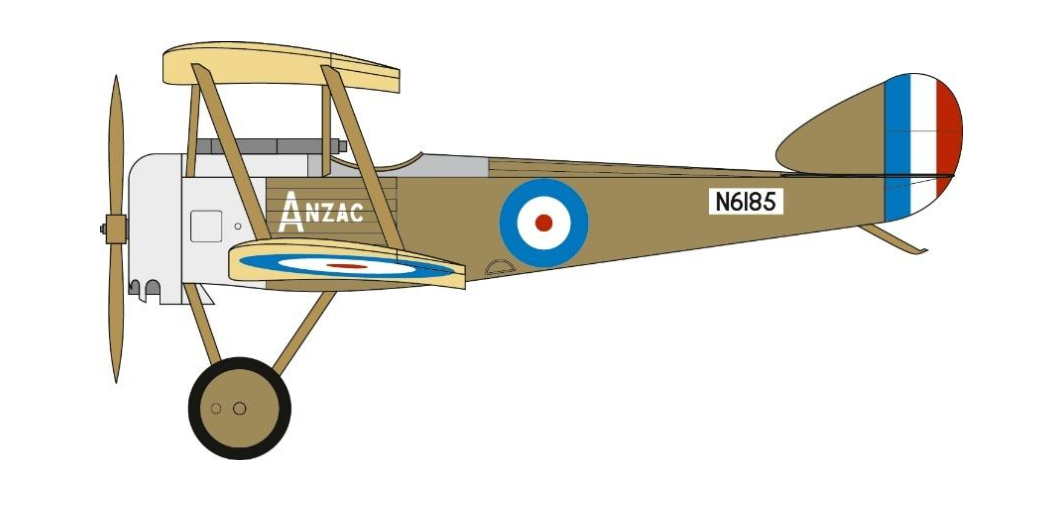
Scheme A:Sopwith Pup, N6185, No.4 Squadron, Royal Naval Air Service, 1917.
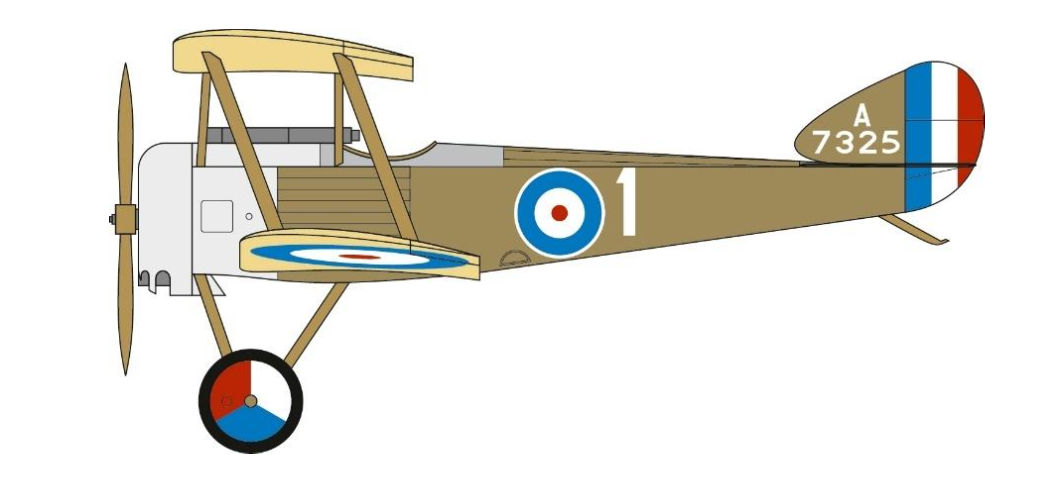
Scheme B:Sopwith Pup, A7325, ‘B’ Flight, No.46 Squadron, Royal Flying Corps, 1917.


0 comments on “A MODELMAKER’S LIFE: SPITFIRES’ FORGOTTEN PAINTS AND THE AIRFIX STALWART HITS THE SHELVES…”